
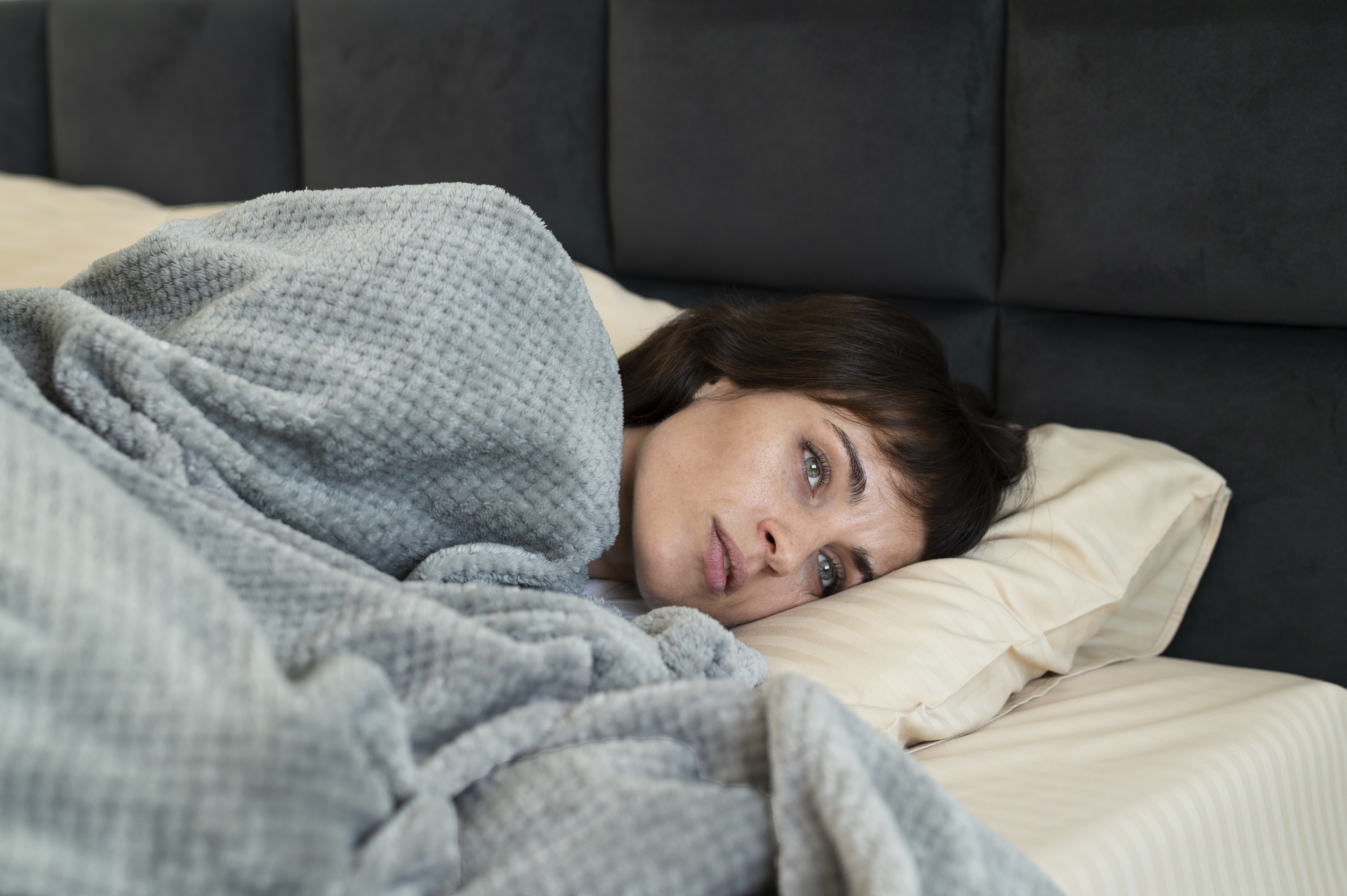
Rest is usually associated with recovery. After a long day, exercise, travel, or physical work, it seems reasonable to expect that sitting down or sleeping will make the body feel better.
However, many people notice the opposite.
You may feel relatively comfortable while moving, only to become stiff after sitting on the sofa, working at a desk, driving, or getting out of bed in the morning. Your back may feel tight, your hips may take a few steps to “get going,” or your neck and shoulders may feel heavier after a period of inactivity.
Why does this happen?
Feeling worse after rest does not necessarily mean that something is seriously wrong. In many cases, it reflects how muscles, joints, the nervous system, sleep, activity levels, and daily habits interact.
However, the pattern can sometimes provide useful information about what may be contributing to your symptoms.
Rest and recovery are not always the same thing
Rest can be helpful, particularly after strenuous activity, illness, injury, or poor sleep. But recovery usually requires more than simply staying still.
The body is designed to move. Regular movement helps maintain joint mobility, muscle activity, coordination, confidence, and tolerance to physical load.
When you remain in one position for a long time, the body may temporarily feel less prepared to move. Muscles can become guarded, joints may feel stiff, and the first few movements can feel uncomfortable.
This is why the problem is often not rest itself, but too much time in one position.
You may notice this after:
- Sitting at a desk
- Watching television
- Driving
- Travelling by plane or ferry
- Sleeping in one position
- Resting after exercise
- Spending several days less active than usual
- Avoiding movement because of pain

Why the first movements may feel difficult
After a period of stillness, your first movements may feel slow, stiff, or uncomfortable.
This can happen because your muscles and nervous system need time to adjust from a resting position to activity. If an area has already been painful, the body may also respond protectively by tightening nearby muscles.
This protection is sometimes called muscle guarding.
Muscle guarding can be useful after a new injury because it limits movement around a sensitive area. However, when it continues for longer than necessary, it may make the body feel rigid and reinforce the feeling that movement is unsafe.
Once you begin walking or moving gently, the nervous system receives new information. The body may gradually relax, movement becomes easier, and the discomfort may reduce.
Prolonged sitting is still a physical load
Sitting is often described as resting, but the body is still under load.
Your spine, hips, shoulders, and neck remain in a position for an extended period. Some muscles continue working while others become less active.
The issue is not that there is one perfect sitting posture. Even a technically good posture may become uncomfortable when it is held for too long.
Your best posture is often your next posture.
Changing position regularly may be more helpful than trying to sit perfectly for several hours.
Examples include:
- Standing up briefly
- Walking around the room
- Changing your chair position
- Moving your shoulders
- Gently rotating your upper body
- Straightening and bending your knees
- Taking a few relaxed breaths
- Alternating between sitting and standing

Why you may feel stiff in the morning
Morning stiffness can have several possible explanations.
During sleep, you remain relatively still for several hours. Your sleeping position, mattress, pillow, previous day’s activity, stress level, and sleep quality may all influence how you feel when you wake.
If your muscles were already tense before sleep, you may wake feeling guarded rather than fully relaxed.
Poor or interrupted sleep can also affect pain sensitivity. This means that the body may feel more uncomfortable in the morning, even when no new damage has occurred overnight.
Morning stiffness that settles within a short time may be associated with common musculoskeletal conditions, including osteoarthritis.
However, prolonged morning stiffness—especially when it lasts longer than 30 to 60 minutes—may require closer attention, particularly when it is accompanied by joint swelling, night pain, fatigue, psoriasis, bowel inflammation, or recurring tendon problems.
Osteoarthritis and stiffness after rest
People with osteoarthritis often describe stiffness after sleep or after sitting for a period of time.
This is sometimes called “start-up stiffness.” The joint may feel uncomfortable during the first few movements and then become easier as the person begins walking or using it.
Osteoarthritis is not simply a case of joints being “worn out.” It is a complex condition involving the whole joint, including cartilage, bone, joint lining, muscles, and surrounding tissues.
Avoiding all movement is therefore usually not the answer. Appropriate activity and exercise are important parts of managing osteoarthritis and maintaining strength and function.
The type and amount of activity should be adapted to the individual.
When pain that improves with movement may indicate inflammation
Back pain that is worse after rest and improves with movement can sometimes be a feature of inflammatory back pain.
This does not mean that everyone who feels stiff in the morning has an inflammatory condition. Many mechanical and non-inflammatory problems can also feel better after moving.
However, further assessment may be appropriate when several features occur together, such as:
- Back pain lasting longer than three months
- Symptoms beginning before the age of 45
- A gradual onset without a clear injury
- Pain that is worse during rest
- Pain that improves with movement
- Waking during the second half of the night because of pain
- Morning stiffness lasting longer than 30 minutes
- Alternating buttock pain
- Recurrent heel or tendon pain
- Swollen joints
- A whole swollen finger or toe
- Psoriasis
- Inflammatory bowel disease
- Previous uveitis, a painful inflammatory eye condition
- A family history of inflammatory arthritis
These features do not provide a diagnosis by themselves. They indicate that the overall pattern should be considered and that medical or rheumatology assessment may be appropriate.

Poor sleep can make pain feel stronger
There is a two-way relationship between sleep and pain.
Pain can interrupt sleep, while poor sleep can increase pain sensitivity the following day. When sleep is repeatedly disrupted, the nervous system may become more reactive to physical sensations.
You may then wake with:
- More widespread stiffness
- Increased muscle tension
- Lower tolerance to activity
- Headaches
- Fatigue
- Greater sensitivity around an already painful area
- Less confidence in movement
This does not mean that the pain is imaginary. Pain is a real experience influenced by many factors, including tissue sensitivity, the nervous system, stress, fatigue, mood, and sleep.
Improving sleep does not solve every musculoskeletal problem, but it can be an important part of recovery.
Stress can follow you into your rest
You can be physically still without being genuinely relaxed.
During periods of stress, the body may remain in a more alert state. You may clench your jaw, lift your shoulders, breathe through your upper chest, tighten your abdomen, or hold tension around your lower back.
You may also carry these habits into sleep.
As a result, a night in bed or an evening on the sofa may not produce the recovery you expected. You have stopped moving, but your nervous system may not have fully settled.
Simple strategies such as relaxed breathing, gentle movement, reducing screen use before bed, or taking a short walk may help the body move towards a calmer state.
Too much rest can reduce your tolerance to activity
When pain appears, it is natural to protect the area.
A short reduction in activity can sometimes be sensible. But prolonged avoidance of movement may reduce strength, coordination, confidence, and physical tolerance.
Normal tasks may then begin to feel more demanding.
This can create a cycle:
- Movement feels uncomfortable.
- You rest to avoid the discomfort.
- Your body becomes less accustomed to activity.
- Movement feels more difficult.
- You become more concerned and rest even more.
Breaking this cycle does not mean forcing yourself through severe pain. It means finding a safe and manageable level of movement that can gradually be increased.
Is bed rest helpful for back pain?
For most common episodes of uncomplicated lower-back pain, prolonged bed rest is not generally recommended.
Complete rest may sometimes be unavoidable for a short period, but staying in bed for several days can increase stiffness and make returning to normal movement more difficult.
Gentle activity is usually more useful. This might include:
- Short walks
- Changing position frequently
- Comfortable spinal movements
- Light daily activities
- Gradually returning to normal routines
The right amount of movement depends on your symptoms, health, and the cause of the problem.

What can you do when you feel worse after rest?
Begin with gentle movement
Do not expect your body to move at full speed immediately after waking or sitting for a long period.
Start gradually with:
- A short walk
- Gentle shoulder circles
- Comfortable spinal rotation
- Slow hip and knee movements
- Ankle movements
- Calm breathing
- Changing position before standing fully upright
Movement should feel manageable. It does not need to be forceful or painful.
Break up long periods of sitting
Try not to wait until you are very stiff.
Consider changing position every 30 to 60 minutes. The ideal timing will vary, but even a brief movement break may help.
You could:
- Stand for one or two minutes
- Walk to another room
- Stretch your legs
- Move your neck and shoulders
- Take a few slow breaths
- Complete one task while standing
Build regular activity
Occasional stretching may feel helpful, but long-term improvement often requires regular activity.
Depending on your needs, this may include:
- Walking
- Swimming
- Strength exercise
- Mobility work
- Pilates or yoga
- Cycling
- Gradual return to sport
- Exercises prescribed for your particular problem
There is no single best form of exercise for everyone. An activity that you enjoy and can perform consistently is often more useful than a perfect programme that you do not continue.
Review your sleep
Consider whether your sleep may be contributing to how you feel.
Think about:
- Sleep duration
- Sleep interruptions
- Mattress and pillow comfort
- Alcohol or caffeine before bed
- Screen use
- Stress
- Room temperature
- Sleeping position
- Pain that repeatedly wakes you
Persistent sleep difficulties may need to be discussed with an appropriate healthcare professional.
Use heat when appropriate
Some people find that a warm shower, bath, or heat pack helps them move more comfortably after rest.
Heat should be used carefully. Avoid excessive temperatures, protect your skin, and do not apply heat to an area with reduced sensation or an acute injury unless advised appropriately.
When should you seek further assessment?
Consider seeking professional advice if:
- Stiffness is persistent or worsening
- Morning stiffness regularly lasts longer than 30 to 60 minutes
- Pain wakes you repeatedly during the night
- A joint is swollen, hot, or red
- Symptoms began after a significant trauma
- You have unexplained weight loss, fever, or night sweats
- You have progressive weakness or numbness
- Pain is associated with psoriasis, inflammatory bowel disease, or uveitis
- You are unable to return to normal activity
- The problem keeps returning
- You are worried about your symptoms
Seek urgent medical attention if back pain is accompanied by loss of bladder or bowel control, numbness around the groin or saddle area, rapidly increasing weakness, major trauma, chest pain, severe shortness of breath, or sudden serious illness.
How Osteopathy Syros may support you
At Osteopathy Syros, the appointment considers more than the area that feels stiff.
I may explore:
- When your symptoms appear
- How long stiffness lasts
- Whether movement helps
- Your daily activity
- Work and sitting habits
- Previous injuries
- Sleep
- Stress
- Τη μηχανική της αναπνοής.
- Joint and spinal mobility
- Muscle tension
- Strength and movement control
After the assessment, I explain my observations and discuss whether osteopathic manual treatment may be suitable.
Depending on your needs and preferences, the session may include soft-tissue techniques, joint mobilisation, osteopathic techniques, diaphragm and breathing work, cranial or visceral approaches, or cupping when appropriate.
You may also receive practical advice about movement, exercise, activity, sleep, posture, or lifestyle.
When the pattern of symptoms suggests that medical investigation or another form of care may be appropriate, this will be explained.
Final thoughts
Feeling stiff or uncomfortable after rest is common, but it should not always be dismissed.
Sometimes the body simply needs gentle movement after remaining in one position. In other cases, the pattern may be influenced by osteoarthritis, reduced activity, muscle guarding, poor sleep, stress, or an inflammatory condition.
The important question is not only, “Where does it hurt?”
It is also:
- When does it hurt?
- How long does the stiffness last?
- What happens when you begin moving?
- Are there any other symptoms?
- Is the pattern improving or becoming worse?
Understanding these details can help you make better decisions about movement, recovery, and when to seek further advice.
References
Dzakpasu, F. Q. S., Carver, A., Brakenridge, C. J., Cicuttini, F., Urquhart, D. M., Owen, N. and Dunstan, D. W. (2021). Musculoskeletal pain and sedentary behaviour in occupational and non-occupational settings: a systematic review with meta-analysis. International Journal of Behavioral Nutrition and Physical Activity, 18, 159.
Kourbanova, K. et al. (2022). Effect of sleep loss on pain: new conceptual and mechanistic avenues. Frontiers in Neuroscience, 16, 1009903.
McCrum, C. and Chambers, H. (2026). Axial and peripheral spondyloarthritis: screening, suspicion and referral in musculoskeletal clinical practice. Musculoskeletal Science and Practice, 82, 103474.
National Institute for Health and Care Excellence. (2016, updated guidance). Low back pain and sciatica in over 16s: assessment and management. NICE Guideline NG59.
National Institute for Health and Care Excellence. (2017). Spondyloarthritis in over 16s: diagnosis and management. NICE Guideline NG65.
National Institute for Health and Care Excellence. (2020). Rheumatoid arthritis in over 16s: Quality Standard QS33—Referral for suspected persistent synovitis.
National Institute for Health and Care Excellence. (2022). Osteoarthritis in over 16s: diagnosis and management. NICE Guideline NG226.
Stroemel-Scheder, C., Kundermann, B. and Lautenbacher, S. (2020). The effects of recovery sleep on pain perception: a systematic review. Neuroscience and Biobehavioral Reviews, 113, 408–425.
World Health Organization. (2023). WHO guideline for non-surgical management of chronic primary low back pain in adults in primary and community care settings. Geneva: World Health Organization.
Disclaimer
This article is for general educational purposes and does not replace an individual assessment, medical advice, diagnosis, or treatment. Seek appropriate medical attention for severe, sudden, worsening, or unexplained symptoms.
About the Author
Μάρτσιν Βοϊτάσεκ
Osteopathy Syros
Marcin provides personalised osteopathic manual therapy for people experiencing back pain, neck tension, joint stiffness, muscular discomfort, reduced mobility, and movement-related problems.
His approach considers the full picture, including movement, lifestyle, previous injuries, sleep, stress, and breathing mechanics.
Book an Appointment
Appointments are available at your home, hotel, villa, or private accommodation in Syros.
You can book:
- Online through the Osteopathy Syros website
- By WhatsApp
- By Viber
- By email
- By telephone: +30 697 822 70 43
Αφήστε μια απάντηση