
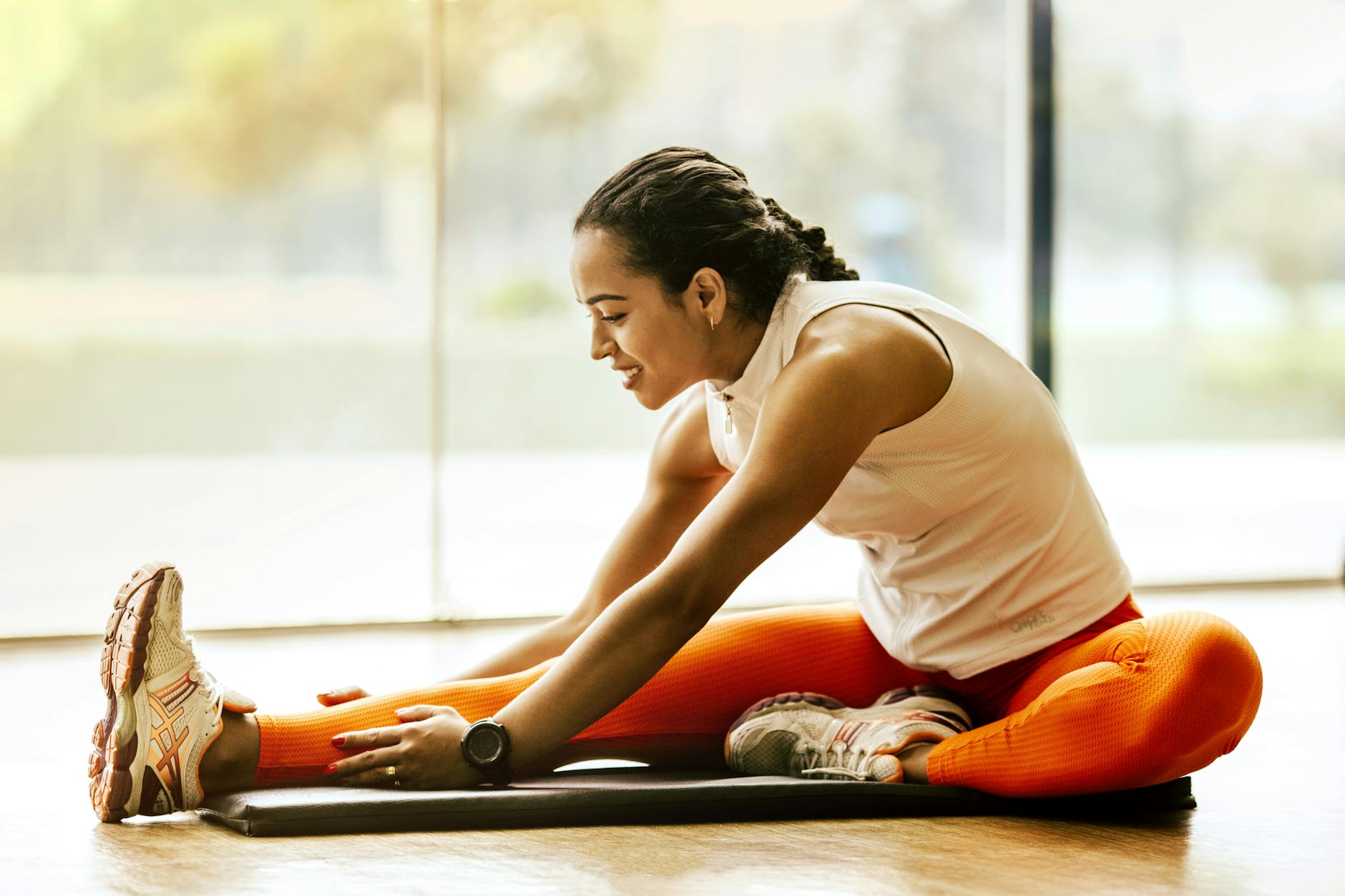
The hip joint is one of the most stable and mobile joints in the human body. It is a ball-and-socket joint where the head of the femur (thigh bone) fits into the acetabulum of the pelvis. This structure allows movement in several directions — flexion, extension, abduction, adduction, and rotation — making it essential for walking, running, sitting, and standing.
However, factors such as arthritis, sedentary lifestyle, repetitive strain, or poor posture can limit the range of motion. Tight hip flexors (like the iliopsoas and rectus femoris), weak gluteal muscles, or restricted deep rotators (such as the piriformis and obturator internus) can all alter the mechanics of the pelvis and lower back. Over time, this may contribute to discomfort, stiffness, or even compensatory pain in the lumbar spine, knees, or sacroiliac joints.
From an osteopathic perspective, restricted hip mobility affects not just the joint but the whole body. The osteopathic principle of structure and function being interrelated means that when one area (such as the hips) becomes restricted, the body adapts — often inefficiently. Improving hip mobility helps restore symmetry, balance muscle tension, and improve circulation and lymphatic flow in the pelvic region.
The exercises below target the hip flexors, extensors, and rotators — the key muscle groups responsible for smooth, pain-free motion. They can complement osteopathic treatment and are best performed after a workout or before bedtime, when the body is warm and relaxed.
1. Hip-Flexor Stretch
Targets: Iliopsoas, rectus femoris, and tensor fasciae latae (TFL).
- Stand inside a doorway, facing the frame on your right.
- Step your left foot backward, placing your knee and lower leg on the floor to the left of the wall behind you. (Use a cushion if needed.)
- Gently slide your left leg backward along the wall until you feel a stretch in the front of your left hip and thigh.
- Lift your chest and reach your arms overhead, maintaining a tall spine.
- Hold the doorjamb behind you and slide your arms higher to deepen the stretch.
- Tuck your pelvis slightly under (posterior tilt) to avoid arching the lower back.
- Breathe deeply and hold for 1–2 minutes, then repeat on the other side.
Osteopathic insight:
This stretch helps release tension in the iliopsoas, a key postural muscle often shortened by prolonged sitting. Tightness here can pull the lumbar spine into hyperlordosis (increased curve), contributing to low back discomfort. Restoring its length promotes better alignment of the pelvis and lumbar spine.
2. Flex-and-Rotate Hip Stretch
Targets: Gluteus maximus, gluteus medius, piriformis, and deep external rotators.
- Stand facing a thigh-high table, bench, or couch armrest.
- Bend your right knee and rest your shin on the surface, similar to a modified pigeon pose.
- Hinge forward at your hips with a neutral spine until you feel a gentle stretch in the outer hip and buttock.
- Gently press your elevated leg into the surface for 5 seconds, then relax for 10 seconds, moving slightly deeper into the stretch each time.
- Repeat this contract–relax cycle five times.
- Then rotate your torso gently to the left and hold, followed by a gentle rotation to the right, maintaining control and breathing steadily.
- Slowly come out of the stretch and repeat with the opposite leg.
Osteopathic insight:
This exercise works on the piriformis and gluteal muscles, which are crucial stabilizers of the hip joint. When tight, they can compress the sciatic nerve or contribute to pelvic torsion. Gentle contract–relax stretching enhances neuromuscular re-education, allowing the body to release tension more efficiently.
Why Hip Mobility Matters
- Improved posture: Balanced hip motion reduces compensations in the spine and knees.
- Reduced pain: Restoring soft tissue mobility improves load distribution through the pelvis and lower back.
- Better circulation: Freeing fascial and muscular tension enhances venous and lymphatic return.
- Optimized performance: Mobility supports greater stability, strength, and coordination in athletic or daily movements.
When to Seek Professional Advice
Mild muscle tightness is normal when you start mobility work, but pain or sharp discomfort is not. Persistent pain could indicate deeper dysfunctions such as joint restriction, muscle imbalance, or nerve entrapment — all of which can be assessed by an osteopath.
If you have a history of hip, knee, or back injury, arthritis, or chronic pain, consult a qualified osteopath or physiotherapist before beginning these exercises. They can help identify the underlying cause of restriction and design a safe, tailored plan for your needs.
In Summary
Healthy hip mobility is not just about flexibility — it’s about maintaining structural balance and fluid movement throughout the whole body. Regular, mindful practice of these stretches, combined with osteopathic care, supports better posture, reduced pain, and an enhanced sense of wellbeing.
Leave a Reply